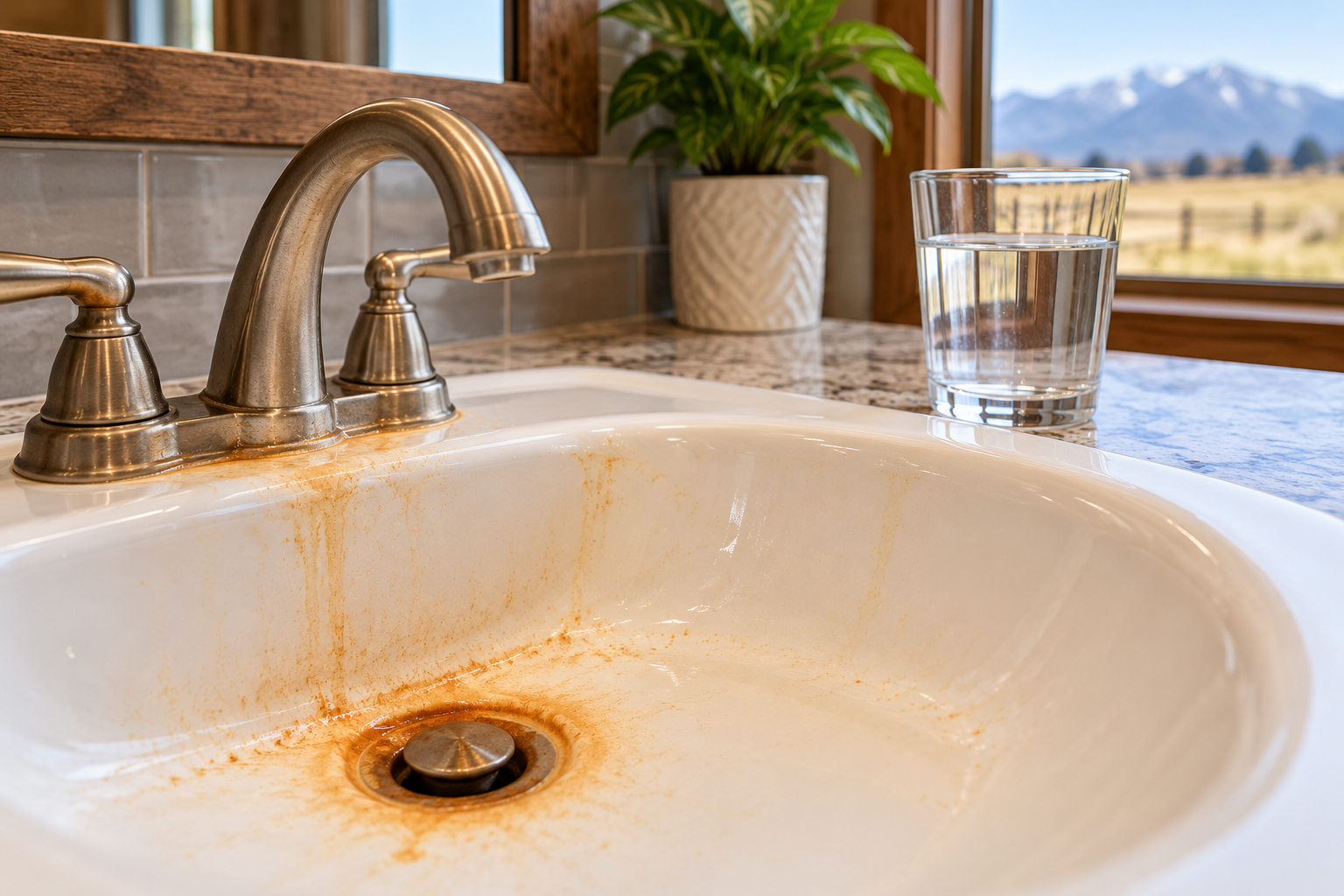
Hard water plumbing problems can quietly damage your home by causing scale buildup, plumbing corrosion, clogged pipes, appliance wear, and rising utility costs. Understanding the warning signs of hard water helps homeowners take proactive steps before expensive plumbing repairs become necessary.
Hard water plumbing problems affect millions of homeowners every year. Although hard water is extremely common, many people do not realize how much long-term damage mineral-heavy water can cause inside plumbing systems, water heaters, and household appliances.
Hard water contains elevated levels of calcium and magnesium that gradually accumulate throughout the home. Over time, these minerals can contribute to scale buildup, plumbing corrosion, restricted water flow, appliance inefficiency, and higher maintenance costs.
Learning how hard water affects your plumbing system is the first step toward protecting your home and preventing costly repairs.
What Is Hard Water?
Hard water contains elevated levels of naturally occurring minerals, primarily calcium and magnesium.
As groundwater travels through rock and soil formations, it absorbs minerals that remain present when the water enters homes and municipal water systems. Even moderate mineral concentrations can begin creating plumbing and cleaning problems throughout the home.
According to the U.S. Geological Survey, hard water is common across much of the United States and may contribute to scale buildup inside pipes and appliances.
Although hard water is generally not considered unsafe to drink, it can create ongoing maintenance and efficiency concerns throughout the household.
How Does Hard Water Cause Scale Buildup?
Hard water causes scale buildup when calcium and magnesium minerals collect inside pipes and appliances over time.
As water moves through plumbing systems, minerals slowly attach to interior surfaces and form hardened deposits known as scale. This buildup gradually restricts water flow and forces plumbing systems to work harder.
Water heaters are especially vulnerable because heated water accelerates mineral accumulation inside tanks and around heating components.
Homeowners researching long-term water quality solutions often explore educational resources like How Water Softeners Work: The Ion Exchange Process Explained to better understand how softening systems reduce hardness minerals before they damage plumbing systems.
- White mineral deposits on fixtures
- Cloudy dishes and glassware
- Soap scum buildup
- Longer water heating times
- Frequent appliance maintenance
- Reduced plumbing efficiency
Why Does Hard Water Reduce Water Pressure?
Hard water reduces water pressure because mineral deposits gradually narrow the inside of plumbing pipes.
As scale buildup thickens, water flow becomes increasingly restricted. Many homeowners first notice hard water issues when showers lose pressure or faucets deliver inconsistent flow.
Reduced water pressure can also increase strain on plumbing systems and appliances that depend on steady water flow to operate properly.
Preventative maintenance plays a major role in protecting plumbing systems. KineticoTV’s article on Seasonal Maintenance Tips for Water Softeners in Meridian highlights how routine inspections and maintenance help improve long-term system performance.
- Weak shower pressure
- Slow faucet flow
- Recurring plumbing repairs
- Scale buildup around fixtures
- Appliance inefficiency
- White residue on sinks and tubs
Can Hard Water Cause Plumbing Corrosion?
Hard water can contribute to plumbing corrosion and long-term pipe deterioration under certain conditions.
As mineral buildup accumulates inside plumbing systems, it may create uneven flow conditions and place additional stress on older pipes. Corrosion risks can become more severe in aging plumbing systems that already show signs of wear.
Over time, weakened plumbing connections may lead to leaks, hidden moisture damage, or pipe replacement needs.
Investing in the right treatment solution can help reduce long-term household maintenance concerns. KineticoTV’s guide on the long-term benefits of home water systems explains how proactive water treatment supports both plumbing protection and household efficiency.
- Reduce mineral buildup inside pipes
- Improve water flow efficiency
- Lower appliance strain
- Help prevent scale accumulation
- Reduce long-term maintenance needs
- Support better plumbing performance
How Does Hard Water Affect Appliances?
Hard water minerals can shorten appliance lifespan by reducing efficiency and increasing internal wear.
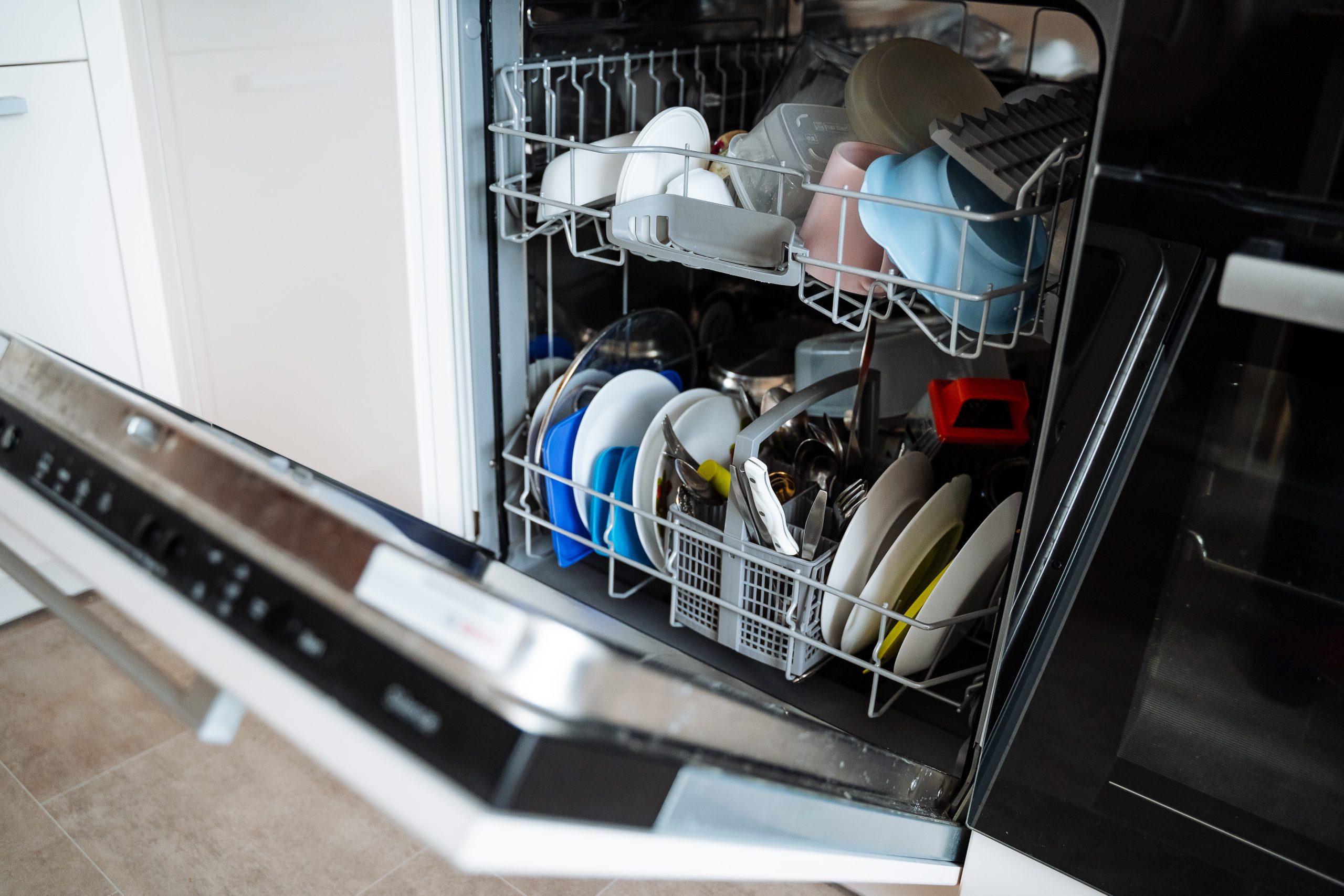
Dishwashers, washing machines, coffee makers, and water heaters all experience additional strain when scale buildup accumulates on internal components. Over time, this buildup may increase energy usage and lead to more frequent repairs.
Many homeowners notice rising utility bills and reduced appliance performance long before realizing hard water is the underlying cause.
KineticoTV also discusses efficiency improvements in its article on energy-saving water systems, including how properly maintained treatment systems may help improve overall household efficiency.
Why Do Hard Water Problems Increase Utility Bills?
Hard water often increases utility bills because mineral buildup forces plumbing systems and appliances to work less efficiently.
Water heaters coated with scale require more energy to heat water, while restricted plumbing systems may reduce overall household efficiency. Appliances affected by buildup often operate longer and consume more energy during daily use.
Addressing hard water problems early may help improve efficiency while reducing long-term maintenance and replacement costs.
Hard Water Plumbing FAQs
Can hard water clog pipes?
What are signs of hard water damage?
Does hard water damage water heaters?
Can water softeners prevent scale buildup?
Why does hard water lower water pressure?
Protect Your Home from Long-Term Hard Water Damage
Hard water problems often develop gradually, but the long-term effects on plumbing systems and appliances can become expensive if left untreated. Scale buildup, plumbing corrosion, clogged pipes, and reduced efficiency can all increase household maintenance costs over time.
Recognizing the warning signs of hard water allows homeowners to take proactive steps toward protecting their plumbing systems and improving water quality throughout the home.
If you are experiencing signs of hard water in your home, now is the perfect time to contact us for hard water solutions and explore customized water treatment options designed specifically for your household’s needs.
Further Reading & References
- Seasonal Maintenance Tips for Water Softeners in Meridian
- Maximizing Efficiency: Energy-Saving Water Systems
- Investing in a Home Water System: Lifetime Benefits and Easy Upkeep for Your Family’s Health and Wallet
- How Water Softeners Work: The Ion Exchange Process Explained
- USGS Hard Water Information