Boise water quality can vary from home to home, but hard water, mineral buildup, chlorine taste, sediment, iron, and odor issues are common concerns across Southwest Idaho. The best way to choose the right water treatment system is to start with professional water testing, then match the solution to your home’s actual water conditions.
Boise water quality is a major concern for many homeowners, especially when hard water spots, scale buildup, dry skin, cloudy dishes, or odd tastes and odors start showing up around the home. While Boise, Meridian, and Nampa each have reliable water sources, local water conditions can still create everyday frustrations.
In Southwest Idaho, water quality concerns often come down to minerals, plumbing conditions, treatment methods, and whether a home uses municipal water or a private well. That means two homes in the same neighborhood may still experience different water problems.
For homeowners, the goal is not to guess. The goal is to understand what is actually in your water and choose a solution that protects your plumbing, appliances, fixtures, and daily comfort.
Quick Facts About Water Quality in Boise, Meridian, and Nampa
What Water Quality Issues Affect Boise, Meridian, and Nampa?
Homes in Boise, Meridian, and Nampa commonly deal with hard water, mineral buildup, chlorine taste or odor, sediment, iron staining, and other water quality concerns.
Hard water is one of the most noticeable issues. It happens when water contains higher levels of dissolved minerals, especially calcium and magnesium. These minerals can leave white scale around faucets, make soap harder to rinse away, and cause spots on dishes and shower doors.
Some homeowners also notice taste or odor issues. Municipal water may have a chlorine taste or smell because chlorine is commonly used as a disinfectant. Homes with well water may have different concerns, such as iron, sediment, sulfur-like odors, or other naturally occurring minerals.
The most important thing to remember is that water treatment should be based on testing. A home in Boise may need a different solution than a home in Nampa, Meridian, Eagle, or Caldwell.
Is Hard Water Common in Southwest Idaho?
Yes, hard water is common in many Southwest Idaho homes and can affect plumbing, appliances, cleaning, bathing, and everyday water use.
Hard water does not always look unusual when it comes out of the tap. In many cases, the signs appear later. You may notice crusty buildup around fixtures, soap scum in showers, dull laundry, dry-feeling skin, or a water heater that has to work harder over time.
Scale buildup is one of the biggest long-term concerns. As minerals collect inside plumbing and appliances, they can reduce efficiency and increase wear. Water heaters are especially vulnerable because heated water can encourage minerals to form scale more quickly.
The U.S. Geological Survey explains that water hardness comes mainly from dissolved calcium and magnesium in water. These minerals are naturally picked up as water moves through soil and rock, which is why hardness levels vary by region and water source.
How Can a Water Softener Help Protect Your Home?
A water softener helps protect your home by reducing hardness minerals before they create scale buildup throughout your plumbing, fixtures, and appliances.
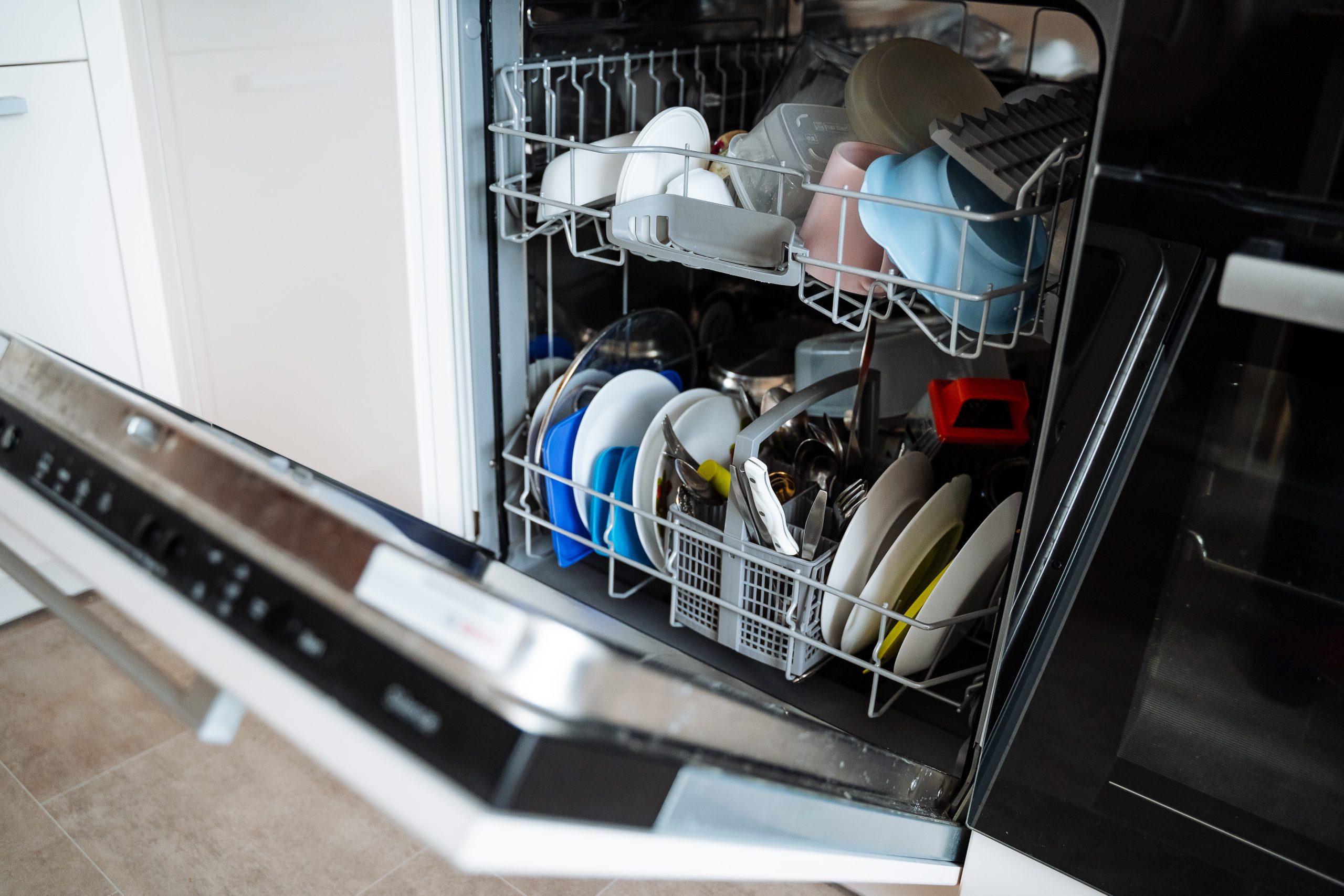
For many homeowners, the benefits show up quickly. Dishes may look cleaner. Shower doors may stay clearer. Soap and shampoo may rinse more easily. Laundry may feel softer. Fixtures may be easier to clean.
The bigger benefit is what happens behind the scenes. When hard minerals are reduced, appliances that use water may experience less scale buildup. That can help support better efficiency and longer service life.
For homes with consistent hard water problems, a professional water softener can be one of the most practical long-term solutions. The right system should be sized and selected based on your water test results, household size, and daily water usage.
Do You Need Whole House Water Filtration?
Whole house water filtration may be helpful if your home has taste, odor, chlorine, sediment, or other water quality concerns that affect more than just one faucet.
A water softener and a filtration system solve different problems. A softener focuses on hardness minerals. Filtration can address other concerns, such as chlorine taste and odor, sediment, and certain unwanted substances depending on the type of system used.
If you dislike the smell of your tap water, notice particles, or want cleaner water throughout the home, whole house filtration may be worth considering. These systems treat water as it enters the home, helping improve water used for bathing, cooking, cleaning, laundry, and drinking.
For some households, the best answer is a combination of solutions. A home may need a water softener for hardness and a filtration system for taste, odor, or sediment. That is why testing and professional recommendations matter.
What Specialty Water Problems Should Homeowners Watch For?
Specialty water problems may include iron staining, sulfur-like odors, sediment, bacteria concerns, arsenic, nitrates, PFAS, or other contaminants that require targeted treatment.
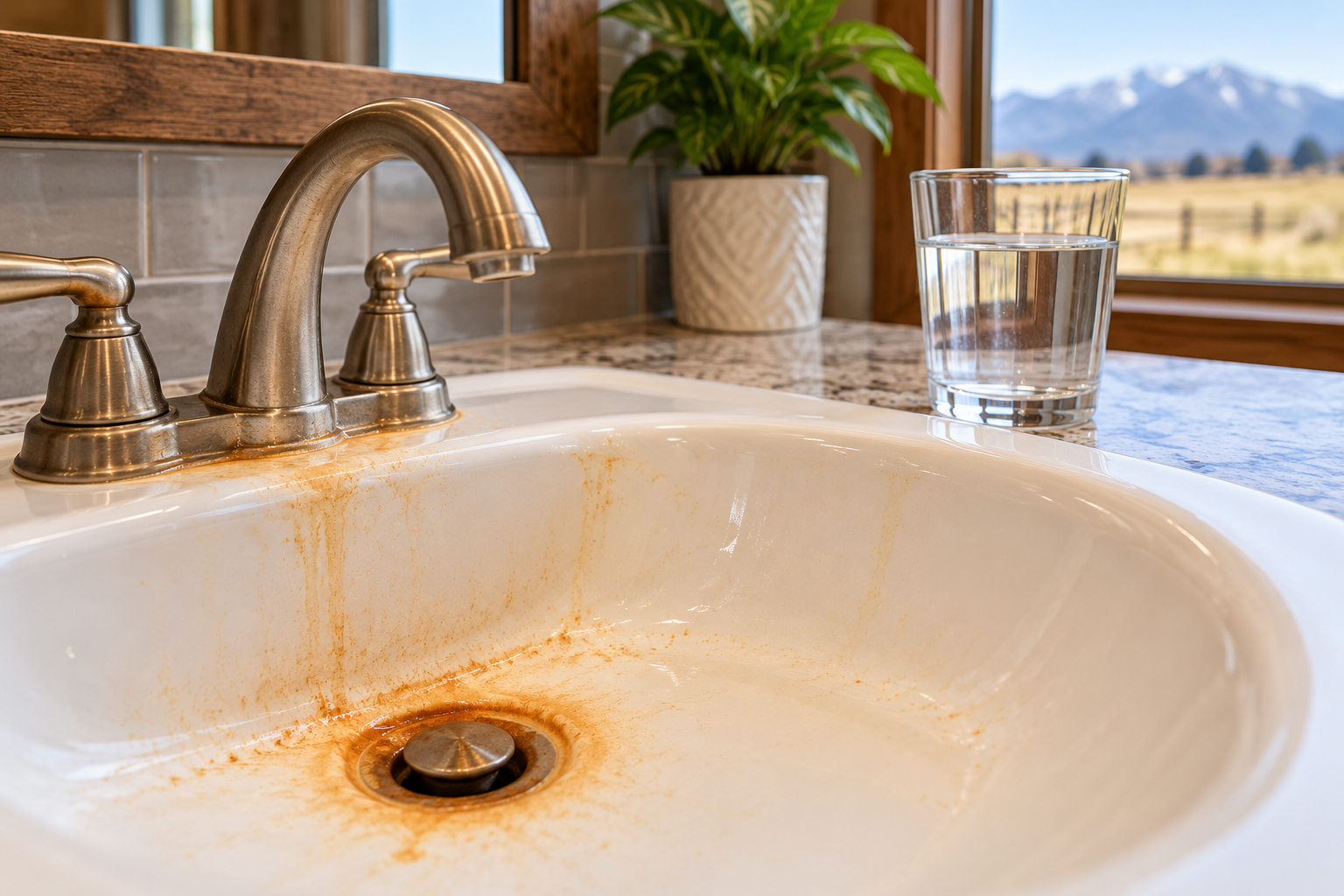
Some water issues are easy to spot. Iron can leave reddish-orange stains on sinks, toilets, tubs, and laundry. Sulfur-related odors may smell like rotten eggs. Sediment can appear as particles or grit. Other concerns may not be visible, which makes testing even more important.
Homes with private wells should be especially careful. Well water is the homeowner’s responsibility to test and maintain. Even if the water looks clear, it may still contain minerals or contaminants that need attention.
Specialty treatment is not about guessing. It is about matching the right technology to the right problem. That could mean filtration, oxidation, reverse osmosis, ultraviolet treatment, or another solution depending on the test results.
Why Water Testing Should Come Before Water Treatment
Water testing should come before water treatment because it helps identify the specific issues affecting your home instead of relying on assumptions.
Without testing, it is easy to solve the wrong problem. For example, a homeowner may assume spots on dishes mean they only need filtration, when the real issue is hardness. Another homeowner may assume all odors are caused by chlorine, when the source may be different.
A professional water test can help identify hardness levels, taste and odor concerns, iron, sediment, and other issues that may influence the right treatment plan. It can also help determine whether your existing system is working properly.
This is especially useful in areas like Boise, Meridian, Nampa, Caldwell, Eagle, and surrounding communities, where water conditions can differ by neighborhood, source, and plumbing setup.
How to Choose the Right Water Treatment System
The right water treatment system depends on your water test results, your home’s plumbing, your water source, your household size, and your specific goals.
Some homeowners mainly want to reduce hard water spots and scale. Others want better-tasting drinking water. Some want whole home filtration. Others need treatment for iron, sulfur, sediment, or well water concerns.
Here are a few common solution paths:
- Water softeners for hardness minerals and scale reduction
- Whole house filtration for taste, odor, chlorine, or sediment concerns
- Drinking water systems for cleaner, better-tasting water at the tap
- Specialty treatment for iron, sulfur, arsenic, bacteria, or other specific concerns
- System maintenance for homes with existing equipment that needs service or performance checks
The best solution may be simple, or it may involve more than one type of treatment. A professional can help you avoid overbuying, under-treating, or choosing a system that does not fit your home’s actual needs.
Local Authority: Water Quality Solutions Across Southwest Idaho
Kinetico of SW Idaho helps homeowners across Boise, Meridian, Nampa, Caldwell, Eagle, Kuna, Star, Middleton, Garden City, Emmett, Melba, Marsing, Payette, McCall, and Ontario understand and improve their water quality.
Across these communities, homeowners may deal with hard water, chlorine taste, sediment, iron, sulfur odor, and other regional water concerns. Some neighborhoods rely on municipal water, while others use private wells. Local plumbing age, water source, and household demand can all affect how water behaves inside the home.
That is why Kinetico of SW Idaho focuses on customized recommendations. Instead of using a one-size-fits-all approach, the goal is to test the water, understand the concern, and recommend a system that supports better water quality for the home.
Water Quality FAQs for Boise, Meridian, and Nampa
Is Boise water quality affected by hard water?
What are common water quality issues in Meridian?
Do Nampa homes need water treatment systems?
Is a water softener the same as a water filter?
Should I test my water before buying a treatment system?
Better Water Starts With Understanding Your Home’s Water
Water quality in Boise, Meridian, Nampa, and nearby Southwest Idaho communities can affect far more than taste. It can influence cleaning, bathing, laundry, plumbing, fixtures, appliances, and everyday comfort.
If you are seeing hard water spots, scale buildup, staining, dry skin, dull laundry, unusual odors, or changes in water taste, those signs are worth investigating. A professional water test can help reveal what is really happening and point you toward the right solution.
Kinetico of SW Idaho can help you understand your water, compare treatment options, and choose a system designed around your home’s needs.