Commercial water treatment in Idaho can help businesses protect equipment, improve product consistency, reduce operating costs, and prevent water-related downtime. Because every facility has different water demands, the most effective approach starts with professional testing and a customized system designed around the business, its equipment, and its daily water use.
Commercial water treatment in Idaho can have a direct impact on equipment performance, operating costs, product quality, and customer experience. Water is used throughout commercial buildings for cleaning, heating, cooling, manufacturing, food preparation, laundry, beverages, sanitation, and many other essential processes.
When that water contains excessive hardness minerals, sediment, chlorine, iron, or other unwanted substances, the effects may reach far beyond the faucet. Scale can develop inside commercial equipment, water heaters may work harder, glassware may look cloudy, and maintenance needs can increase.
Businesses throughout Southwest Idaho can reduce these risks by identifying their specific water conditions and choosing a treatment system built for their operational needs. A restaurant, medical facility, hotel, manufacturing plant, and office building may all require very different approaches.
Quick Facts About Commercial Water Treatment
Why Do Idaho Businesses Need Commercial Water Treatment?
Idaho businesses may need commercial water treatment to protect critical equipment, maintain dependable water quality, and reduce the operational effects of hard water and other local concerns.
Water quality problems are not always obvious. Clear water can still contain dissolved calcium and magnesium that create hard water scale. Municipal water may have a noticeable chlorine taste or odor, while private well water may contain iron, sediment, sulfur compounds, or other naturally occurring substances.
In a residential setting, these concerns may create inconvenience. In a commercial environment, they can interrupt operations, affect products, increase energy use, and create added maintenance expenses.
A customized treatment strategy can help stabilize water quality across a facility. That may include softening, filtration, reverse osmosis, specialty treatment, or a combination of technologies.
What Commercial Water Problems Can Affect Operations?
Common commercial water problems include hardness, scale, sediment, chlorine, iron, unpleasant odors, staining, and inconsistent water quality.
Hard water is among the most frequent concerns in Southwest Idaho. Calcium and magnesium can accumulate inside water-using equipment and plumbing. Over time, this mineral scale can restrict flow, reduce heat transfer, and make machinery work harder.
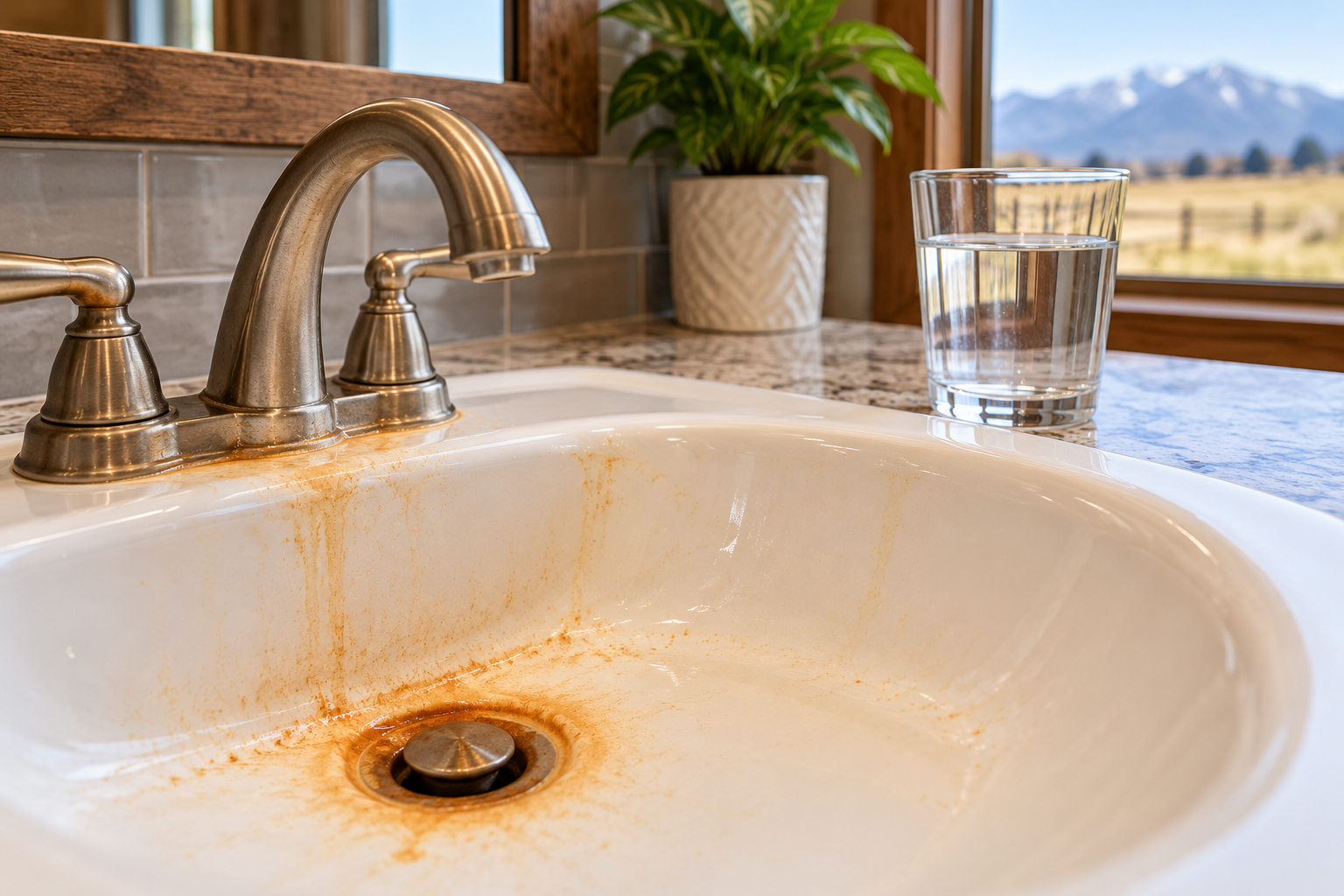
Sediment may clog valves, filters, spray nozzles, and small water lines. Chlorine may affect beverage taste, food preparation, and customer perception. Iron can create reddish-orange staining, while sulfur-related compounds may produce an unpleasant rotten-egg odor.
Some contaminants cannot be identified by sight, smell, or taste. Businesses that rely on private wells or use water as part of a product should consider more detailed testing based on their industry, water source, and regulatory responsibilities.
Which Businesses Benefit From Water Treatment?
Any business that depends on water for equipment, cleaning, production, customer service, or sanitation may benefit from commercial water treatment.
Restaurants and Coffee Shops
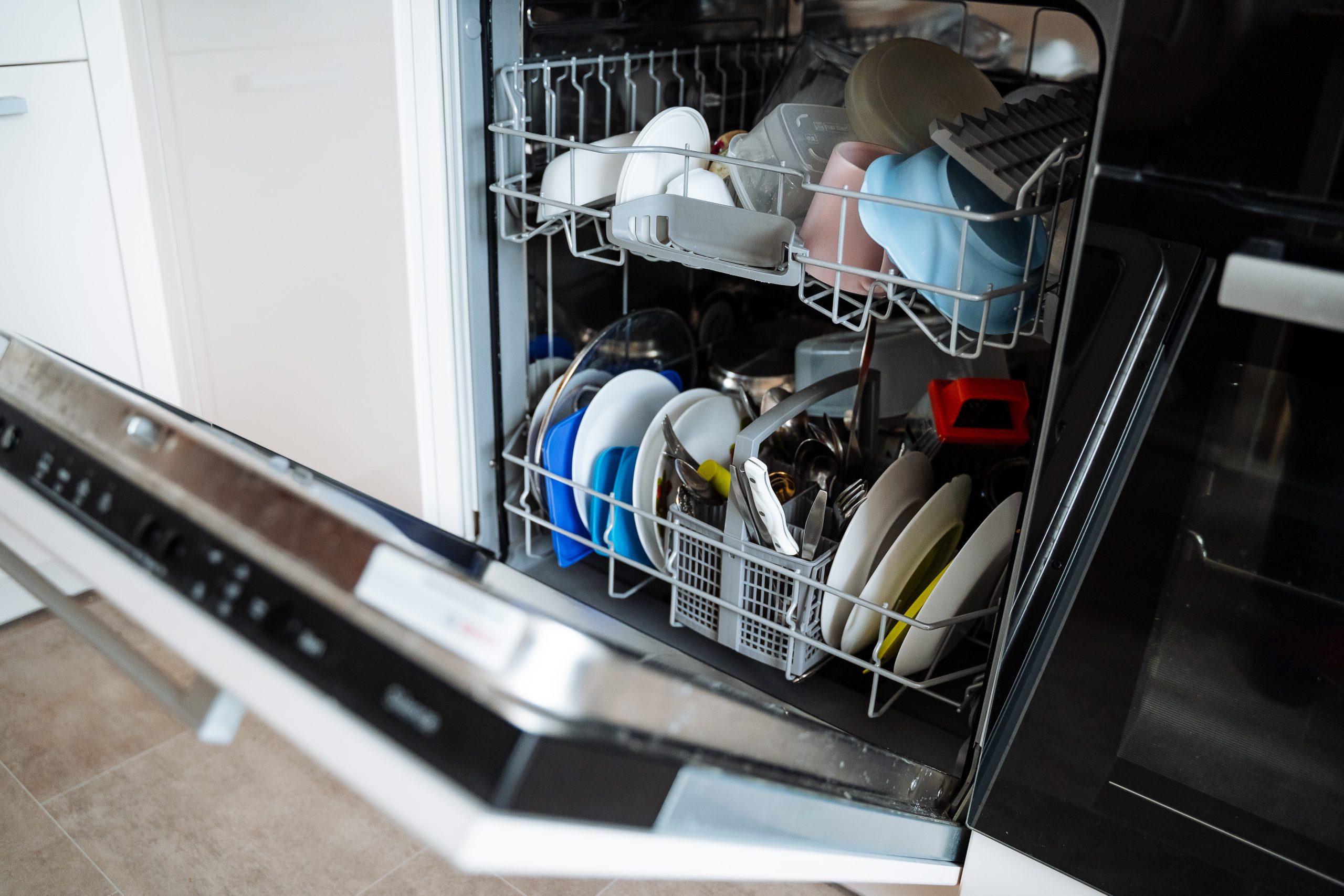
Water affects coffee, tea, fountain beverages, ice, food preparation, dishwashing, and glassware. Hardness scale can collect in ice machines, espresso equipment, steamers, and commercial dishwashers. Proper treatment can support more consistent taste and cleaner-looking dishes.
Hotels and Hospitality Properties
Hotels use large amounts of water for guest rooms, laundry, kitchens, pools, boilers, and cleaning. Better water quality can improve guest comfort, reduce spotting, support softer linens, and help protect water-heating and laundry equipment.
Healthcare and Senior Living Facilities
Healthcare facilities, dental offices, clinics, and senior living communities often require consistent water quality for sanitation, laundry, food service, and specialized equipment. Treatment recommendations should be based on operational and equipment requirements.
Manufacturing and Food Processing
Water quality may influence rinsing, heating, cooling, mixing, steam production, and finished products. Inconsistent mineral or contaminant levels can create variability in production and increase maintenance demands.
Car Washes and Commercial Laundries
Hard water can reduce detergent effectiveness and leave spots or residue. Commercial softening and filtration may help businesses use soap more efficiently while improving results for customers.
Schools, Offices, and Multifamily Properties
Water treatment can improve drinking water, reduce fixture buildup, support water-heating efficiency, and provide a more consistent experience for employees, students, tenants, and visitors.
How Can a Commercial Water Softener Protect Equipment?
A commercial water softener reduces calcium and magnesium before those minerals form scale inside plumbing and water-using equipment.
Scale is particularly damaging in equipment that heats water. Even a relatively thin mineral layer can interfere with heat transfer, forcing boilers and water heaters to work harder. Scale may also collect in commercial dishwashers, steam equipment, coffee machines, ice makers, and process lines.
By reducing hardness minerals, a correctly sized commercial softener can help:
- Limit scale buildup inside equipment
- Support more efficient heat transfer
- Reduce spotting on dishes and glassware
- Improve soap and detergent performance
- Lower the frequency of manual descaling
- Extend the useful life of certain components
How Does Commercial Filtration Improve Water Quality?
Commercial filtration improves water quality by targeting specific concerns such as sediment, chlorine, taste, odor, and other unwanted substances.
Filtration systems vary widely. A sediment filter may protect equipment from particles, while activated carbon may reduce chlorine taste and odor. Specialty media may be recommended for particular contaminants or water conditions.
For restaurants and beverage businesses, filtration can support more consistent taste. For hospitality properties, it may improve the smell and feel of water throughout the building. In industrial settings, pretreatment can help protect downstream equipment and processes.
A commercial water softener and a filtration system are not interchangeable. Softening addresses hardness minerals, while filtration targets other water quality concerns. Some businesses benefit from using both.
When Is Commercial Reverse Osmosis Appropriate?
Commercial reverse osmosis may be appropriate when a business needs highly treated water for beverages, food preparation, manufacturing, laboratory use, or specialized equipment.
Reverse osmosis uses a membrane to reduce many dissolved substances. It can be installed at a specific point of use or designed as part of a larger commercial treatment process.
Because commercial reverse osmosis systems generate treated water at different rates, proper sizing is essential. Storage capacity, pressure, pretreatment, incoming water quality, and peak demand must all be considered.
Reverse osmosis is not automatically the right answer for every water problem. It works best when testing confirms that the technology aligns with the business’s water quality and production goals.
Can Commercial Water Treatment Reduce Operating Costs?
Commercial water treatment can reduce certain operating costs by limiting scale, protecting equipment, improving cleaning efficiency, and decreasing the frequency of water-related repairs.
The total savings depend on the facility, system design, maintenance program, and existing water conditions. For a high-volume restaurant, reduced descaling and better dishwasher performance may create meaningful savings. For a hotel, the benefits may include improved laundry results and less scale in water heaters.
In industrial facilities, consistent water quality may reduce downtime and help protect expensive process equipment. Treatment can also reduce waste when systems are properly selected and configured for actual demand.
Why Does Preventative Maintenance Matter?
Preventative maintenance helps commercial water treatment systems continue delivering consistent performance while reducing the risk of unexpected failures.
Maintenance requirements vary by system. A water softener may require salt monitoring and periodic performance checks. Filtration systems need timely cartridge or media replacement. Reverse osmosis systems may require membrane monitoring, sanitation, and pretreatment service.
A commercial maintenance plan may include:
- Checking treated water quality
- Inspecting valves, tanks, fittings, and controls
- Monitoring salt, filter, and media condition
- Reviewing regeneration or backwash settings
- Checking flow rates and system pressure
- Looking for leaks or unusual water use
- Documenting performance changes over time
Scheduled service allows a business to address maintenance during planned windows rather than waiting for equipment to fail during a busy operating period.
How Should a Business Choose a Water Treatment System?
A business should choose a water treatment system by evaluating water quality, water demand, equipment requirements, operational goals, available space, and long-term maintenance needs.
The process should begin with a professional site and water assessment. A commercial specialist may review the water source, test results, peak flow rate, daily demand, plumbing layout, equipment specifications, and any product-quality concerns.
From there, the treatment plan can be tailored to the business. This reduces the risk of purchasing a system that is too small, unnecessarily complex, or unable to address the actual water problem.
Business owners should also consider ongoing support. A commercial water system is a long-term operational asset, so dependable installation, maintenance, replacement parts, and local service are important parts of the decision.
Local Commercial Water Treatment Expertise in Southwest Idaho
Kinetico of SW Idaho supports businesses across Boise, Meridian, Nampa, Caldwell, Eagle, Kuna, Star, Middleton, Garden City, Emmett, Payette, McCall, and surrounding communities, including Ontario, Oregon.
Commercial water conditions can vary throughout the region. Some facilities use municipal water, while others rely on private wells. Local businesses may experience hard water, sediment, chlorine, iron, sulfur odor, or other concerns depending on their location and source.
Kinetico of SW Idaho works with businesses to understand their water use, identify specific challenges, and develop practical treatment strategies. Whether the goal is protecting equipment, improving beverages, supporting production, or reducing scale, recommendations should be based on the facility’s actual conditions.
Commercial Water Treatment FAQs
What is commercial water treatment?
Does every Idaho business need a water softener?
How often should commercial water treatment equipment be serviced?
Can water treatment improve restaurant beverages and ice?
How is a commercial system sized?
Can commercial water treatment help prevent downtime?
Build a Stronger Business With Better Water
Water quality can influence nearly every part of a business, from equipment performance and cleaning efficiency to beverages, products, and customer satisfaction. Ignoring water-related problems may lead to higher maintenance costs, inconsistent results, and avoidable disruptions.
A professionally designed commercial water treatment system gives Idaho businesses a more reliable way to manage hardness, sediment, chlorine, taste, odor, and specialty concerns. The right solution begins with understanding the water and the business—not selecting equipment from a generic checklist.
Kinetico of SW Idaho can assess your facility, identify water-related challenges, and recommend a customized solution that supports long-term performance. With proper treatment and regular service, your business can protect its equipment, maintain consistent water quality, and stay focused on serving customers.