Water softener maintenance helps keep your system efficient, your water consistent, and your plumbing and appliances better protected. For most homeowners, the most important steps include checking salt levels, watching for salt bridges, monitoring water quality changes, keeping the brine tank clean, and scheduling professional service when performance starts to change.
Water softener maintenance is one of the simplest ways to protect your home’s water quality and help your system perform the way it should. When your softener is cared for properly, it can help reduce mineral buildup, improve water feel, protect fixtures, and support better appliance efficiency.
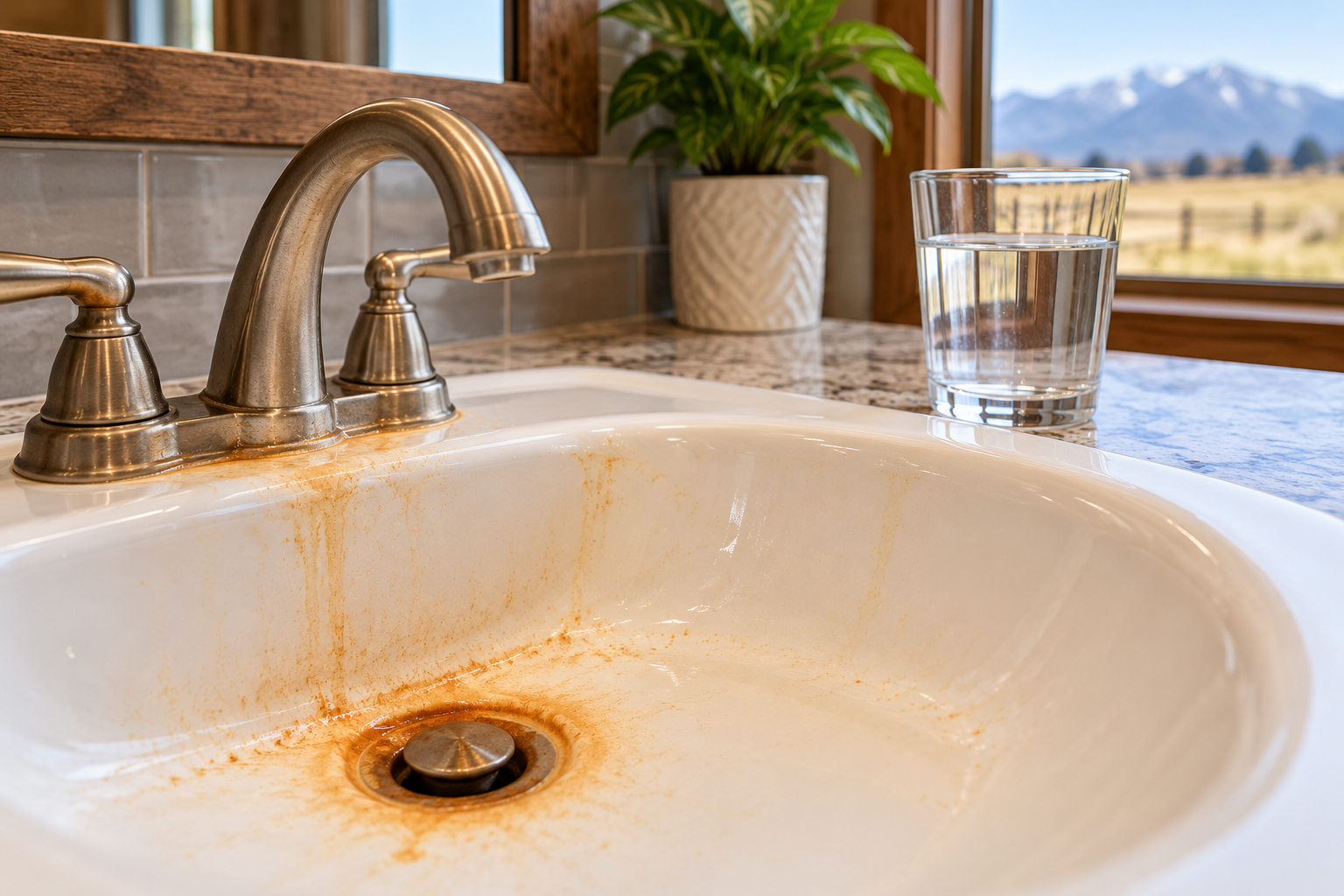
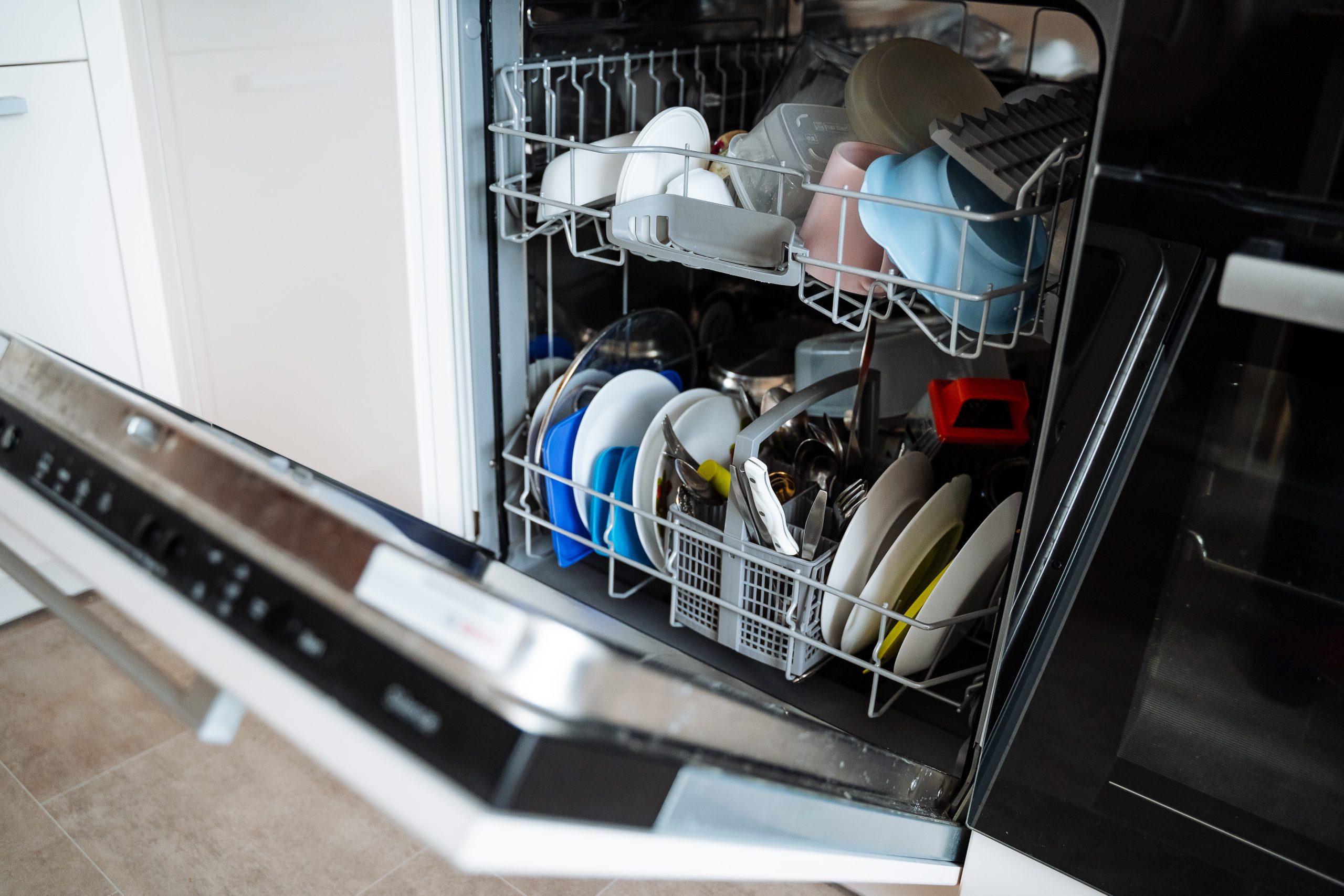
For homeowners in Southwest Idaho, hard water is more than a small inconvenience. It can leave spots on dishes, create scale on fixtures, make soap harder to rinse away, and slowly affect plumbing and water-using appliances.
The good news is that many water softener issues can be caught early. A few simple checks can help you avoid bigger problems and know when it is time to call a professional.
Quick Facts About Water Softener Maintenance
Why Water Softener Maintenance Matters
Water softener maintenance matters because even a reliable system can lose efficiency if salt, settings, or internal components are not working correctly.
Your water softener works behind the scenes every day. It helps reduce hardness minerals before they move through your home’s plumbing, fixtures, and appliances. When the system is working well, you may notice fewer spots, better lather, softer-feeling water, and less scale buildup.
But when maintenance is ignored, small issues can build quietly. You may not notice the problem right away. Over time, you might see cloudy glassware, dry-feeling skin, soap that does not rinse well, or buildup around faucets and showerheads.
How Often Should You Check Your Water Softener Salt?
You should check your water softener salt level about once a month, though homes with higher water use or harder water may need more frequent checks.
Salt is what allows many softeners to regenerate properly. If the salt level drops too low, the system may not have enough brine to refresh the resin bed. That means hard water minerals can start passing through again.
A good rule is to keep salt above the water level in the brine tank. You do not need to fill the tank to the top every time, but you do want enough salt for the system to regenerate as designed.
Watch for these signs that your salt level or salt usage may need attention:
- Salt is disappearing faster than usual
- Hard water spots are coming back
- Water feels less soft than normal
- Soap or shampoo is not rinsing well
- The system seems to regenerate more often
What Is a Salt Bridge?
A salt bridge is a hardened layer of salt that forms in the brine tank and prevents salt from mixing properly with water.
This can be confusing because the tank may look full. From the outside, it seems like your system has plenty of salt. But beneath the hardened crust, there may be an empty space where the salt is not reaching the water.
When that happens, the softener may not regenerate correctly. The result can be hard water signs even though the brine tank looks like it has enough salt.
Common signs of a salt bridge include:
- The salt level does not seem to go down
- Hard water spots return
- Water feels different
- The brine tank looks full but performance drops
When Should You Clean the Brine Tank?
You should clean the brine tank when you see sludge, dirt, salt mush, or buildup that may interfere with normal operation.
Not every modern system needs frequent deep cleaning. However, the brine tank should still be checked from time to time. Salt quality, humidity, water conditions, and system age can all affect how much residue collects inside the tank.
If you notice thick salt mush at the bottom, dirty water, strange odors, or repeated softening problems, the brine tank may need attention.
A professional can inspect the tank, remove buildup safely, check for salt bridging, and make sure the system is drawing brine correctly.
How Regeneration Affects Water Softener Performance
Regeneration is the process that allows your water softener to refresh its resin bed so it can continue reducing hardness minerals.
Some systems regenerate based on time. Others regenerate based on actual water use. Demand-based systems are often more efficient because they regenerate only when needed, helping reduce wasted salt and water.
If your system is regenerating too often, using too much salt, or not producing soft water consistently, the settings may need to be checked. Changes in household size, water use, or local water hardness can affect how your system should be set.
This is especially important if you have added new appliances, remodeled bathrooms, had guests staying for long periods, or noticed a major change in water use.
Common Signs Your Water Softener Needs Service
Your water softener may need service if hard water symptoms return, salt use changes, or the system no longer performs consistently.
Many homeowners wait until the system stops working completely. But early signs are often easier and less expensive to address.
- Hard water spots on dishes or fixtures
- Dry-feeling skin or hair after showering
- Soap that does not lather or rinse well
- Low water pressure
- Unusual noises during regeneration
- Salt level not changing
- Salt usage rising unexpectedly
- Water quality changing from room to room
Monthly, Quarterly, and Annual Maintenance Checklist
A simple maintenance schedule can help keep your water softener working efficiently and make problems easier to catch.
Monthly
- Check the salt level
- Look for salt bridges or salt mushing
- Watch for hard water spots
- Note changes in water taste, feel, or flow
Quarterly
- Inspect the brine tank for buildup
- Check for leaks near the system
- Review salt usage patterns
- Look for changes in system performance
Annually
- Schedule a professional system inspection
- Have settings checked
- Ask about resin bed condition
- Review whether your system still fits your household’s water use
Why Professional Water Softener Service Helps
Professional water softener service helps catch performance issues that may not be visible during a basic homeowner check.
A trained technician can evaluate more than salt levels. They can check regeneration performance, system settings, water hardness, water flow, resin condition, and signs of wear. This helps protect both the equipment and the water quality throughout your home.
Professional service is especially helpful if your system is older, your salt use has changed, or your home’s water quality does not feel as consistent as it used to.
Local Authority: Water Softener Maintenance in Southwest Idaho
Homeowners across Boise, Meridian, Nampa, Caldwell, Eagle, Kuna, Star, Middleton, Garden City, Emmett, Melba, Marsing, Payette, McCall, and Ontario often deal with hard water conditions that can affect plumbing, fixtures, water heaters, dishwashers, washing machines, and daily comfort.
Southwest Idaho water conditions can vary by neighborhood, source, and season. Some homes rely on municipal water, while others use private wells. That means water hardness, minerals, iron, sediment, and other water quality concerns may differ from one home to the next.
Kinetico of SW Idaho helps homeowners understand their water, maintain their systems, and choose practical solutions based on real water conditions instead of guesswork.
Water Softener Maintenance FAQs
How often should I check the salt in my water softener?
Why is my water softener using more salt than usual?
What are signs my water softener is not working properly?
Do I need to clean my brine tank every year?
When should I schedule professional water softener maintenance?
Final Thoughts
Water softener maintenance does not have to be complicated. By checking salt levels, watching for salt bridges, monitoring water quality changes, and scheduling professional service when needed, you can help keep your system performing efficiently.
For Southwest Idaho homeowners, regular care is especially valuable because local hard water can put extra stress on plumbing, fixtures, and appliances over time. A little attention today can help prevent buildup, reduce performance issues, and protect your home for years to come.
If you have noticed hard water spots, rising salt use, inconsistent water quality, or changes in system performance, Kinetico of SW Idaho can help you understand what is happening and recommend the next best step.