Hard water contains dissolved minerals, primarily calcium and magnesium, that can leave scale behind on fixtures, plumbing, and water-using appliances. Over time, that buildup can affect water heaters and other equipment throughout your home. If you’re seeing white deposits, spotted dishes, soap scum, or recurring scale, professional water testing can help determine whether hardness is the cause.
Your water heater, dishwasher, washing machine, and other water-using appliances already have plenty of work to do. When hard water enters the picture, mineral buildup can add another challenge.
Hard water appliance damage doesn’t necessarily happen overnight. Instead, calcium and magnesium in hard water can gradually leave deposits behind as water moves through and is heated inside your home’s equipment.
For homeowners in Boise, Meridian, Nampa, Caldwell, Eagle, Kuna, and surrounding Southwest Idaho communities, recognizing the signs of hard water can help you understand what’s happening before mineral buildup becomes an even bigger nuisance.
Quick Facts About Hard Water
Water hardness primarily comes from dissolved calcium and magnesium.
Hard water can contribute to mineral scale, soap scum, cloudy glassware, and deposits around fixtures.
Equipment that regularly heats or uses water can be exposed to hardness minerals again and again.
Professional water testing can measure hardness and help determine whether water softening is appropriate for your home.
What Does Hard Water Do to Your Appliances?
Hard water is water containing elevated levels of dissolved minerals, particularly calcium and magnesium. Those minerals aren’t generally considered a health concern, but they can create frustrating problems throughout a home.
One of the biggest concerns is scale.
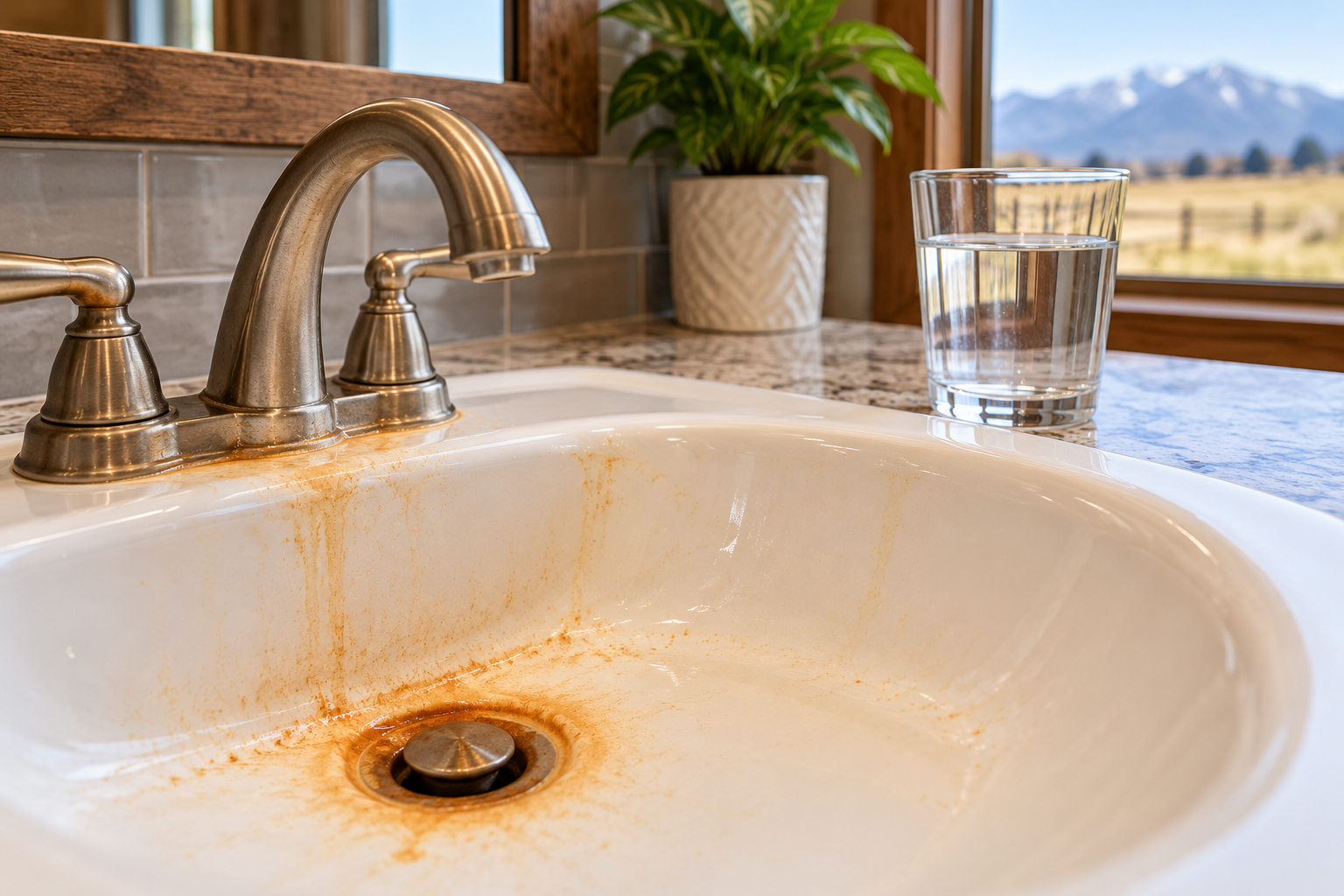
As hard water evaporates or is heated, mineral deposits can accumulate on surfaces and inside equipment. You may notice them as the familiar white or chalky buildup around faucets and showerheads, but mineral scale can also develop where you can’t easily see it.
The U.S. Geological Survey notes that hard water can contribute to mineral buildup in plumbing, fixtures, and water heaters while also reducing the performance of soaps and detergents.
If you’re regularly cleaning white mineral deposits from faucets, showerheads, or other surfaces, similar hardness minerals are traveling through the water-using equipment throughout your home.
How Does Hard Water Affect a Water Heater?
Your water heater is one of the clearest examples of why hardness matters.
When hard water is heated, calcium carbonate deposits can form. According to the USGS, this scale can increase water-heating costs, lower the efficiency of electric water heaters, and reduce equipment life.
The exact effect will depend on factors such as the hardness of your water, your equipment, water temperature, household usage, and maintenance. That’s why broad claims about a specific percentage of efficiency loss don’t tell the whole story.
What homeowners can watch for is persistent scale throughout the home. If mineral deposits repeatedly appear on fixtures and other surfaces, it may be worth finding out how hard your water actually is.
Can Hard Water Affect Your Dishwasher?
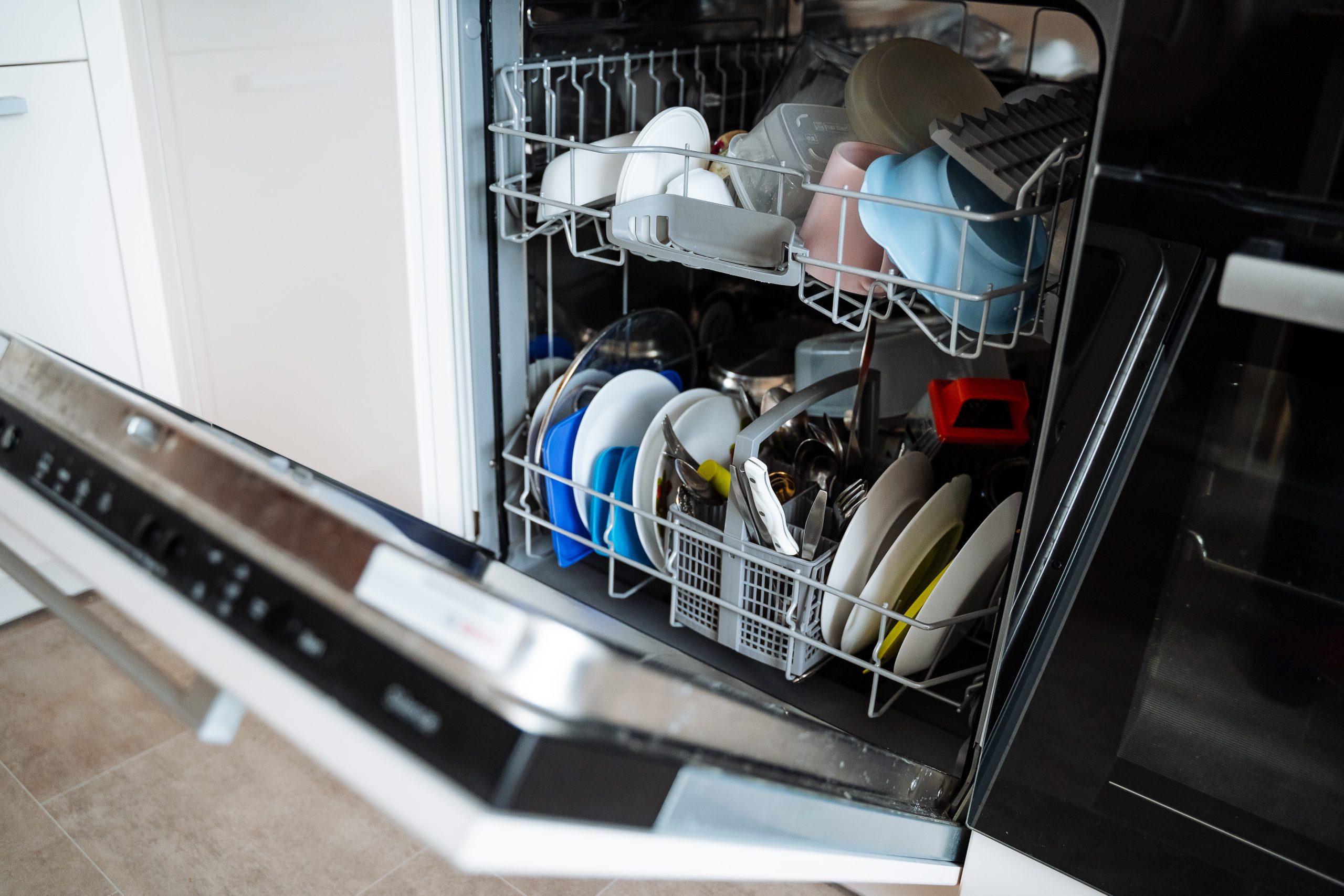
Open the dishwasher and take a look at your glasses.
If they regularly come out covered in spots or a cloudy film, hard water may be contributing to the problem.
Hardness minerals can leave residue behind as water dries. Hard water also reacts with soap, meaning more soap or detergent may be needed to achieve the same cleaning effect.
That doesn’t mean every dishwasher problem is caused by hard water. Detergent choice, rinse aid, appliance maintenance, water temperature, and mechanical issues can all affect cleaning performance.
But when spotted dishes appear alongside scale around faucets and fixtures, hardness is worth investigating.
What Does Hard Water Do to a Washing Machine?
Laundry introduces another issue: detergent performance.
Calcium in hard water reacts with soap and contributes to soap scum. Harder water can therefore require more soap or detergent for effective cleaning.
Your washing machine also handles large volumes of water over its lifetime. If that water contains elevated hardness minerals, the appliance is repeatedly exposed to the same minerals responsible for scale elsewhere in the home.
Treating confirmed hardness can reduce those minerals before the water reaches the washing machine and other water-using equipment.
Poor performance, unusual noises, leaks, electrical issues, or mechanical failures can have causes unrelated to water quality. Water testing can identify hardness, but appliance problems should still be diagnosed appropriately.
What Are the Warning Signs of Hard Water Scale?
You don’t have to take apart your appliances to look for clues. Hard water often leaves visible evidence throughout the home.
Common signs can include:
- White or chalky deposits around faucets
- Scale around showerheads
- Spots or cloudy film on glasses and dishes
- Soap scum in sinks, tubs, and showers
- Difficulty getting soap to lather
- Recurring mineral deposits on water-using fixtures
- Scale around appliances or equipment that heats water
Seeing one of these signs doesn’t automatically mean you need a water softener. Seeing several of them, however, is a good reason to have your water tested.
Can a Water Softener Help Protect Appliances?
A true water softener addresses hardness at its source by removing calcium and magnesium through ion exchange before those minerals travel throughout the home’s plumbing.
Reducing hardness means reducing the minerals responsible for hard water scale.
That can help limit mineral deposits in water heaters, fixtures, plumbing, and other water-using equipment while also improving how soaps and detergents perform.
Kinetico of SW Idaho offers water softening systems designed around a home’s actual water conditions and household needs.
These systems aren’t interchangeable. A water softener specifically addresses hardness minerals. Filtration systems are designed to address other water-quality concerns. Depending on your water test results, your home may benefit from one, the other, or a combination of treatment technologies.
Why Should You Test Your Water First?
Scale around a faucet is useful evidence, but a water test gives you something much more valuable: actual information about your water.
Water conditions can vary depending on location, source, plumbing, mineral content, and other factors. Even homeowners in neighboring Southwest Idaho communities may experience different water concerns.
Kinetico of SW Idaho uses a testing-first approach to help identify hardness, chlorine, sediment, mineral content, water clarity concerns, and other relevant conditions before recommending treatment.
With professional water testing, you can find out whether hardness is actually contributing to the scale and residue you’re seeing and make treatment decisions based on your home’s results.
Hard Water Help for Southwest Idaho Homes
Hard water and mineral buildup are common concerns for homeowners throughout Southwest Idaho, but treatment shouldn’t be based on your ZIP code alone.
Kinetico of SW Idaho serves Boise, Meridian, Nampa, Caldwell, Eagle, Kuna, Star, Middleton, Melba, Marsing, Payette, Ontario, McCall, Garden City, Emmett, and surrounding areas.
The local team provides professional water testing, system installation, repairs, maintenance, salt delivery, and ongoing support. If you already have water treatment equipment but you’re noticing hard water spots or scale returning, professional water system maintenance can also help determine whether service or adjustments are needed.
Frequently Asked Questions About Hard Water and Appliances
Can hard water damage appliances?
Hard water can contribute to mineral scale in water heaters, plumbing, fixtures, and other water-using equipment. The extent of the impact depends on factors including water hardness, temperature, household usage, equipment, and maintenance.
Which appliances are most affected by hard water?
Water heaters are particularly relevant because heating hard water encourages calcium carbonate scale formation. Dishwashers, washing machines, coffee makers, faucets, and other equipment that regularly uses water can also be exposed to hardness minerals.
Why do my glasses look cloudy after the dishwasher?
Hard water can leave spots or mineral film on dishes and glassware. However, dishwasher settings, detergent, rinse aid, and other factors can also affect results, so cloudy glasses alone don’t confirm a hard water problem.
Will a water filter fix hard water?
Not necessarily. Conventional filtration and water softening address different water-quality concerns. A true water softener is designed to remove hardness minerals such as calcium and magnesium. Testing can help determine which treatment your home needs.
How can I find out if my Southwest Idaho home has hard water?
Professional water testing can measure hardness and identify other water-quality characteristics. This provides a clearer picture than relying on visible symptoms alone and helps determine whether water treatment is appropriate.
Protect Your Home by Starting With Your Water
Hard water doesn’t have to cause a dramatic appliance failure to become a nuisance. Scale around faucets, cloudy glassware, soap scum, and recurring mineral deposits can all be clues that calcium and magnesium are moving through your home’s plumbing and water-using equipment every day.
Rather than guessing, start by finding out what’s actually in your water. Kinetico of SW Idaho can test your home’s water, explain the results, and recommend treatment based on your specific water conditions and household needs.
Understanding your water today can help you make better decisions about the appliances and equipment that rely on it for years to come.